

Richard Prince: Same Man
Louisiana Museum, Denmark
17th November 2022 - 10th April 2023
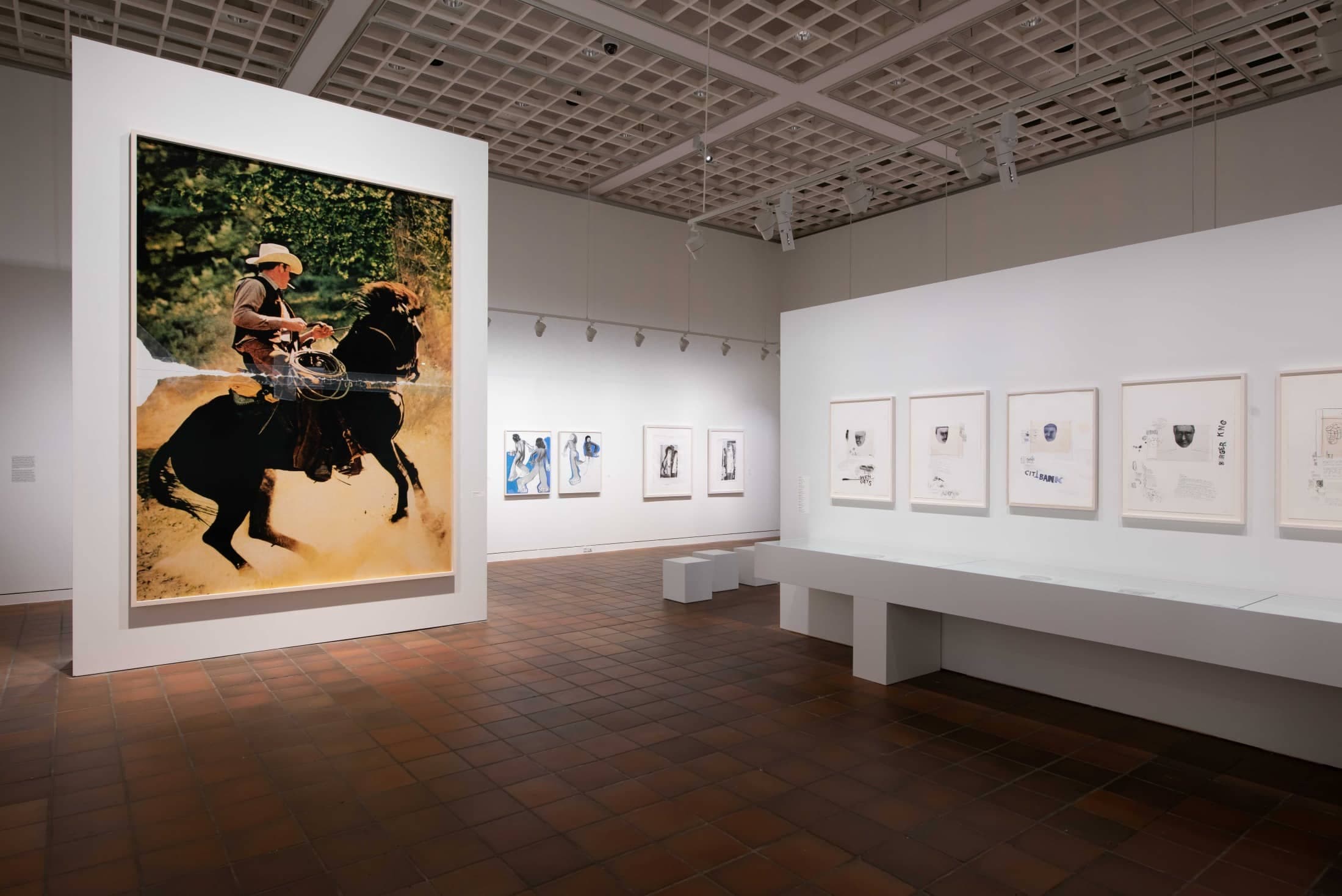
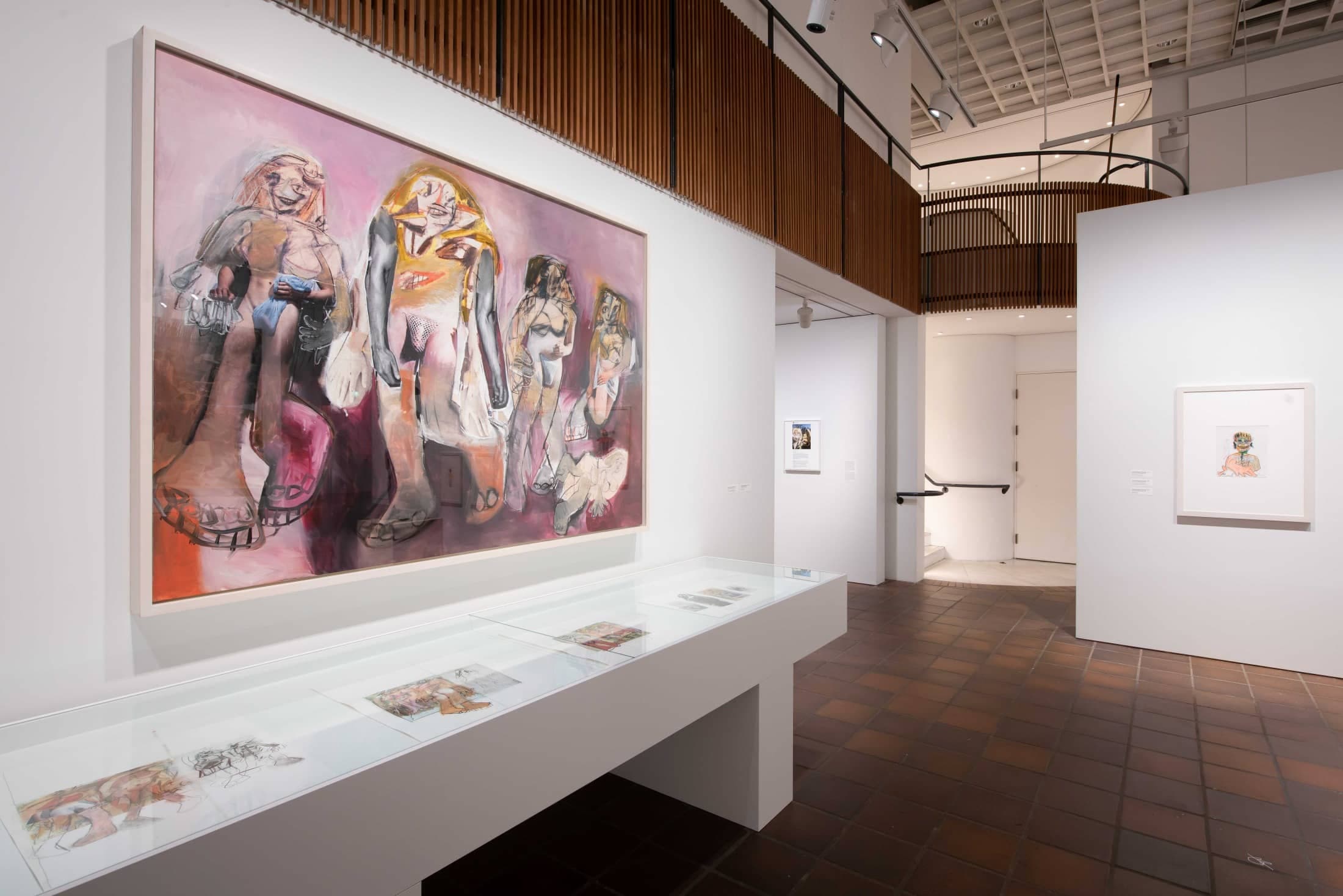
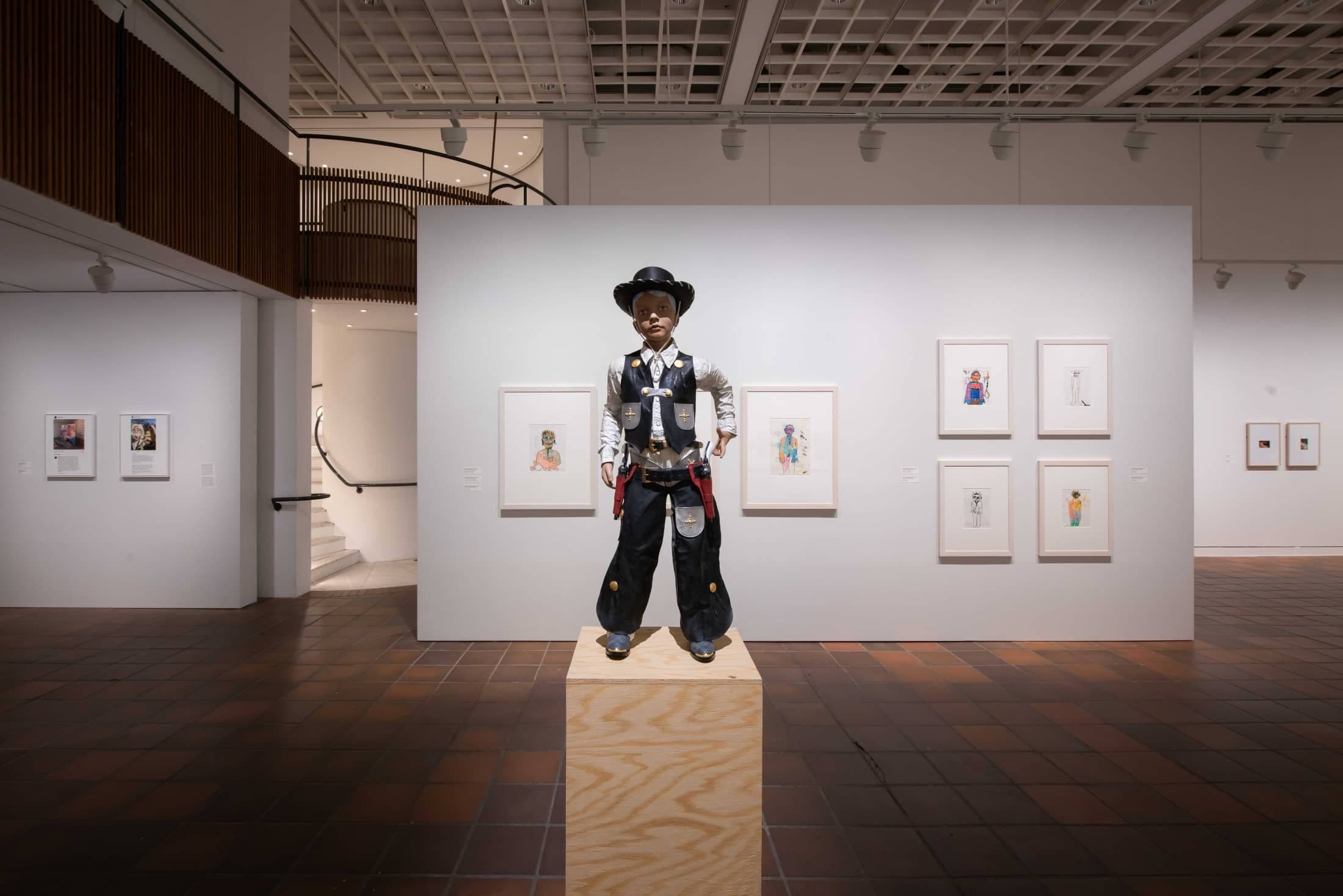
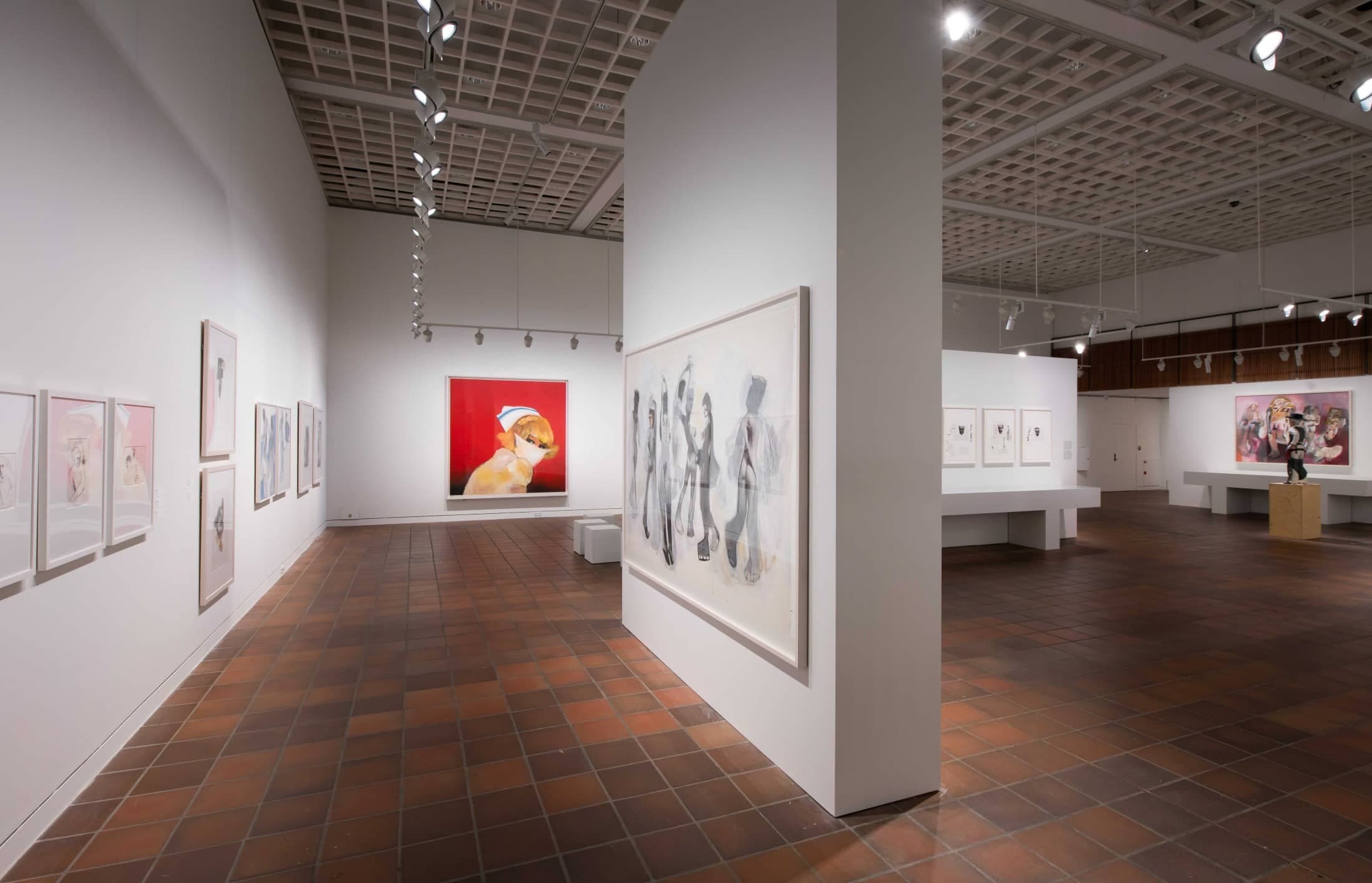
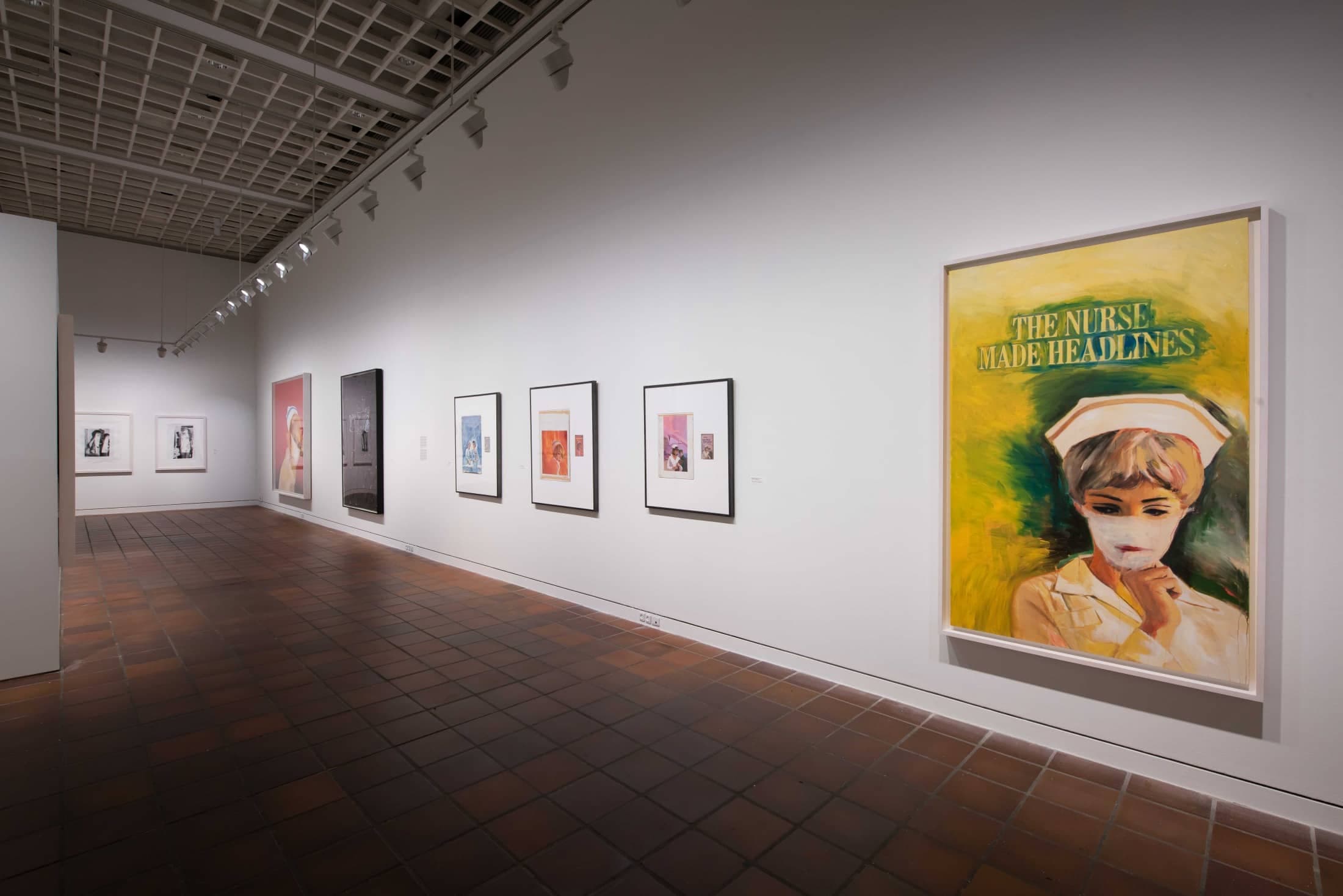
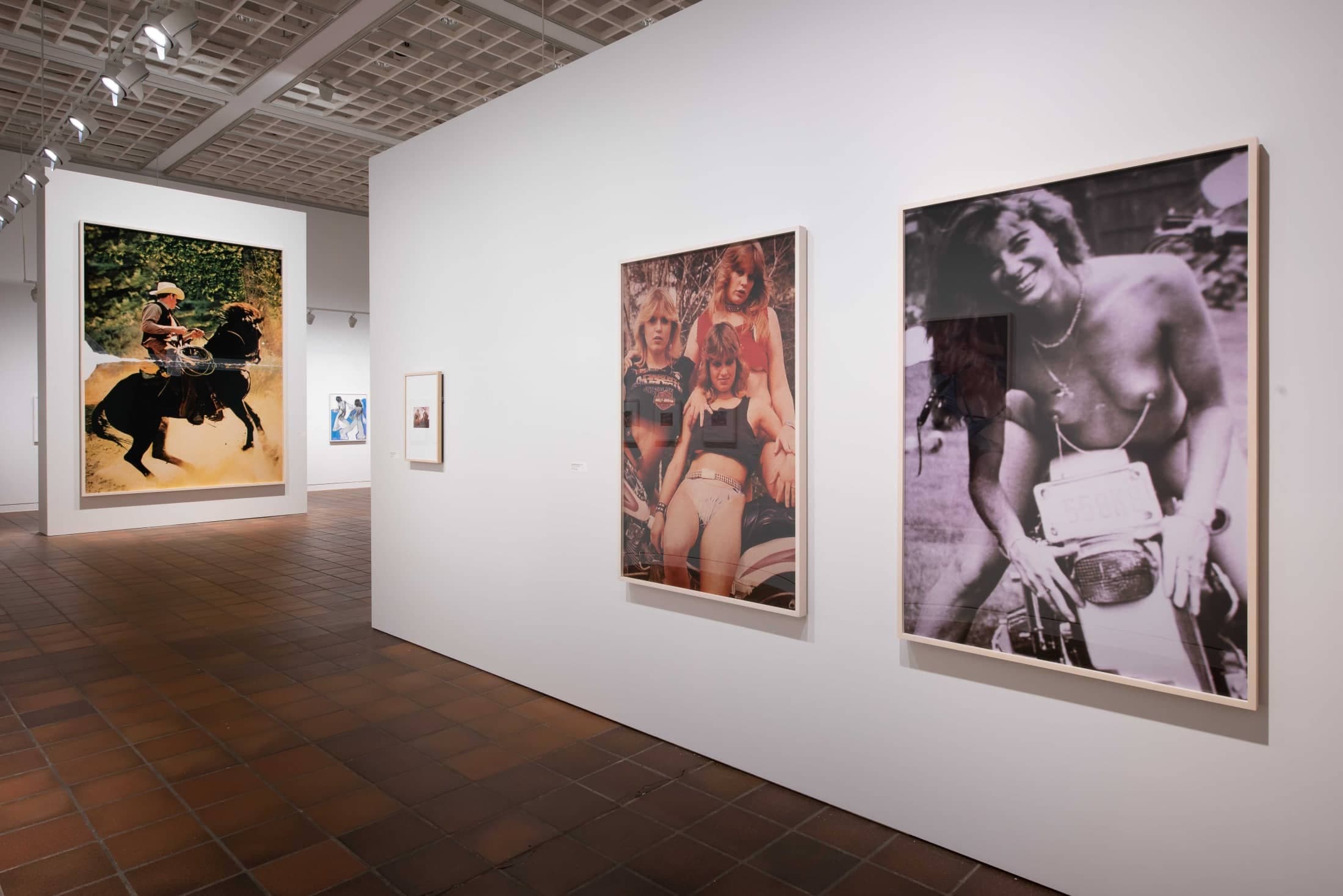
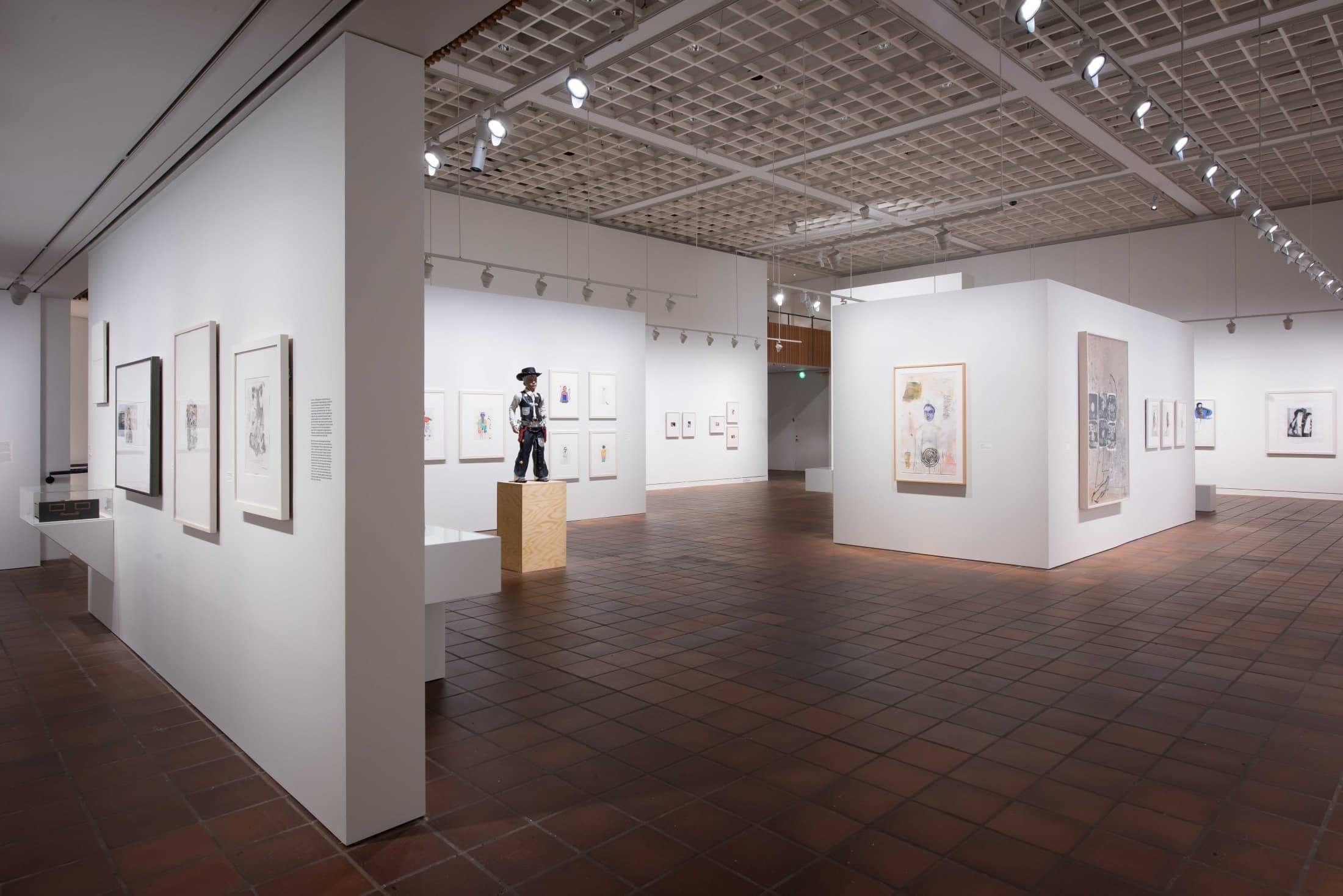
One of the most influential US artists from the 1980s onwards and a central figure of American ‘The Pictures Generation’, Richard Prince (b. 1949) often uses banal images from our entertainment and consumption culture, which he twists and transforms in a way where the ordinary is "uplifted" into something both strange and seductive.
In art historical terms Prince belongs to the Pictures Generation, known for appropriating – that is, ‘stealing’ – existing images. In so doing, Prince undermines the idea that an artist will always have something recognisable about them, a style that binds their different groups of works together. Prince is an ambiguous figure and his style is subject to variation. In isolation this sometimes aids the impression that his works are inaccessible – that they float around without a creator. Nevertheless, all of Prince’s work revolves around identity, thus turning his visual world into a portrait of the late twentieth-century.
In his work, Prince highlights the marginal and banal aspects of society: jokes, photographs, advertisements, idol worship and other forms of "everyday cult". He manages to identify and sample visual codes and finely tune them so that they become seductive and strange despite their banality.
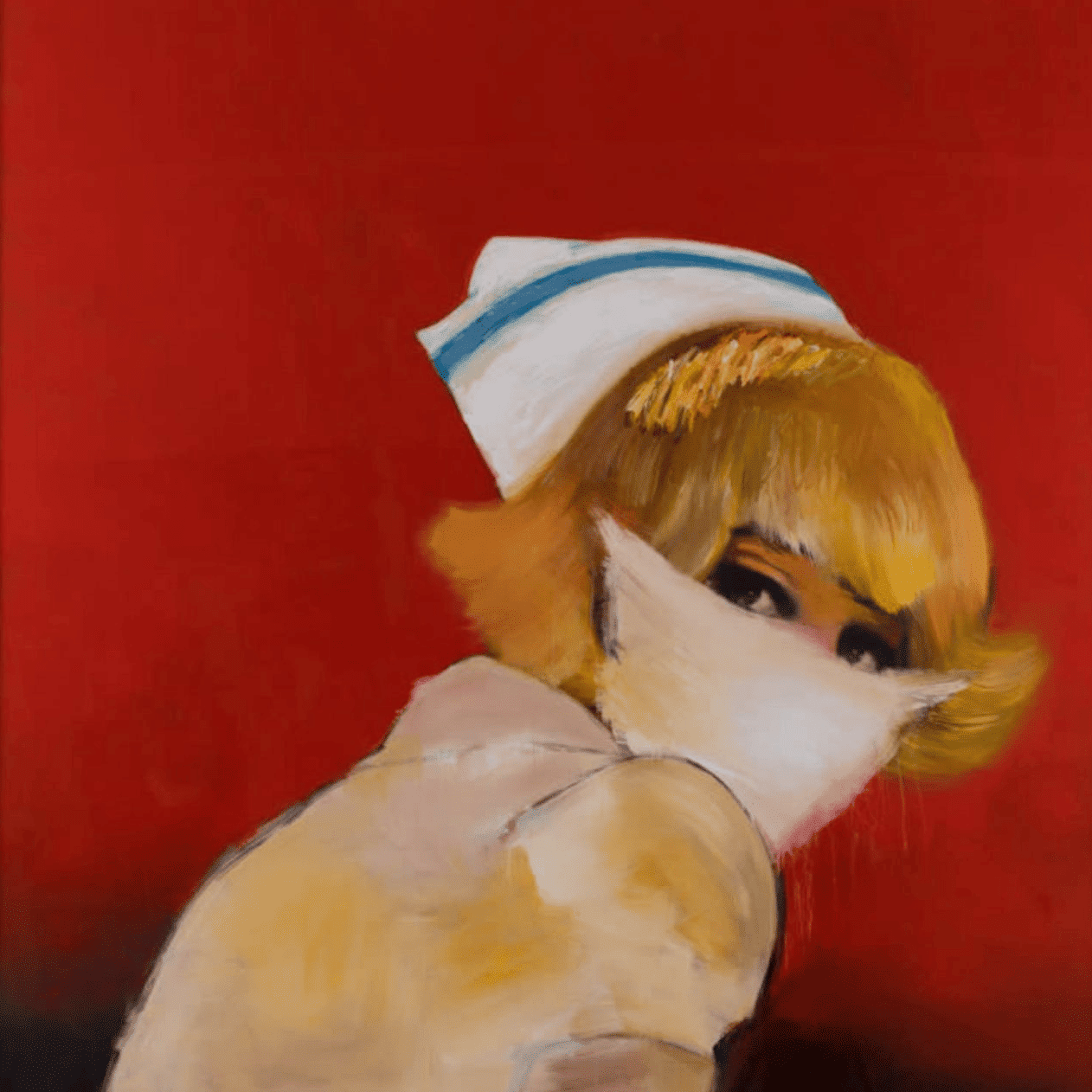
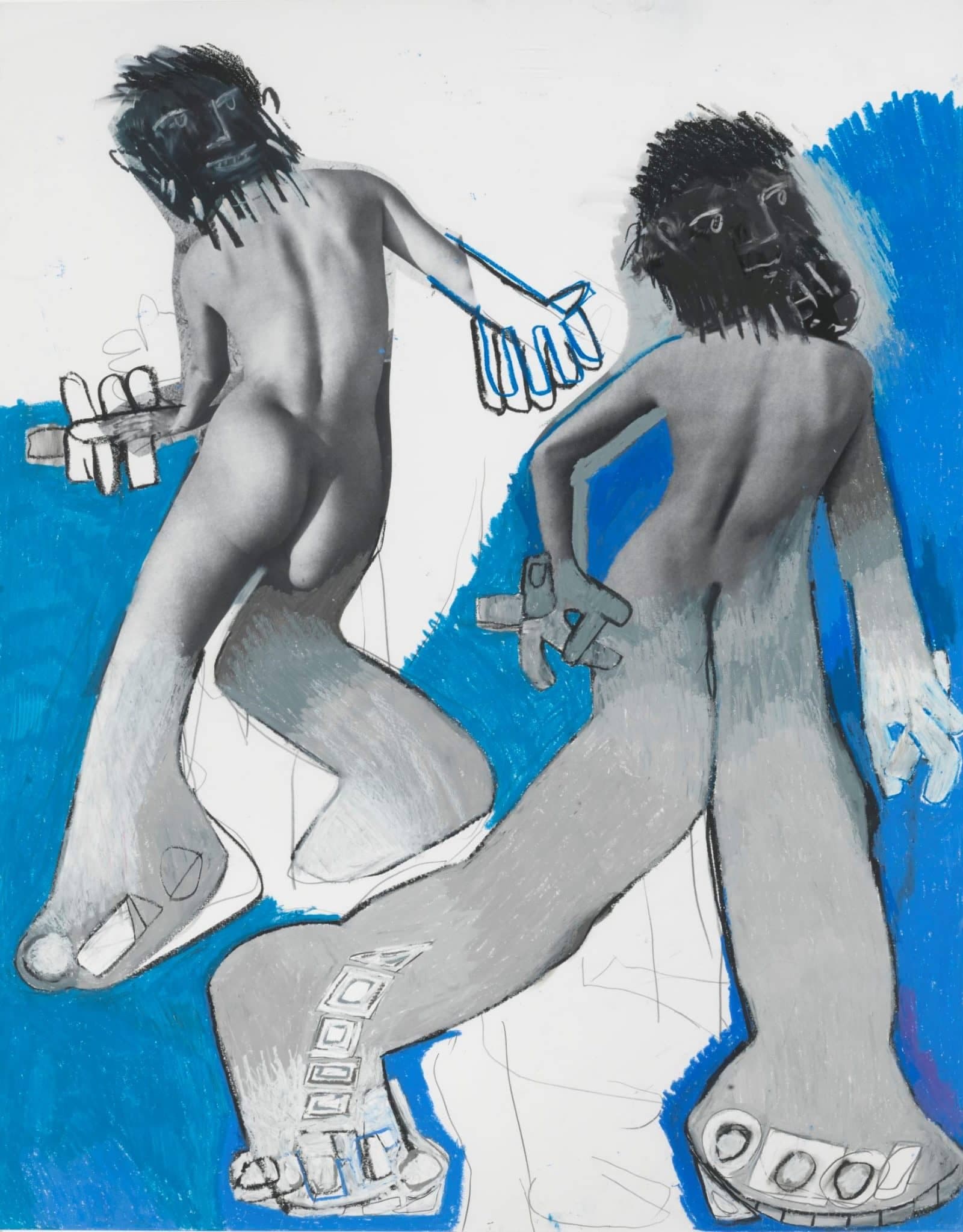
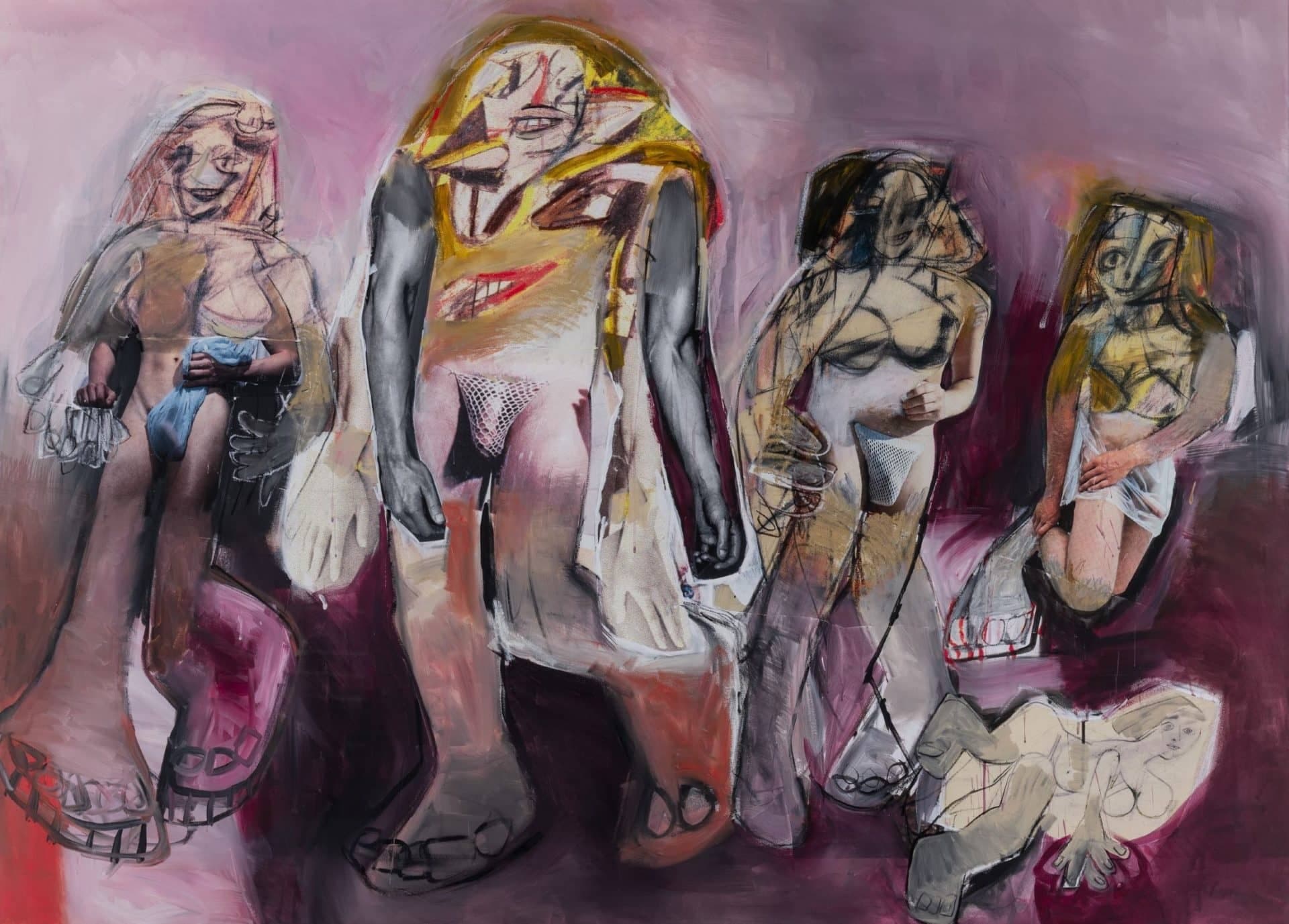
One of the most influential US artists from the 1980s onwards and a central figure of American ‘The Pictures Generation’, Richard Prince (b. 1949) often uses banal images from our entertainment and consumption culture, which he twists and transforms in a way where the ordinary is "uplifted" into something both strange and seductive.
In art historical terms Prince belongs to the Pictures Generation, known for appropriating – that is, ‘stealing’ – existing images. In so doing, Prince undermines the idea that an artist will always have something recognisable about them, a style that binds their different groups of works together. Prince is an ambiguous figure and his style is subject to variation. In isolation this sometimes aids the impression that his works are inaccessible – that they float around without a creator. Nevertheless, all of Prince’s work revolves around identity, thus turning his visual world into a portrait of the late twentieth-century.
In his work, Prince highlights the marginal and banal aspects of society: jokes, photographs, advertisements, idol worship and other forms of "everyday cult". He manages to identify and sample visual codes and finely tune them so that they become seductive and strange despite their banality.